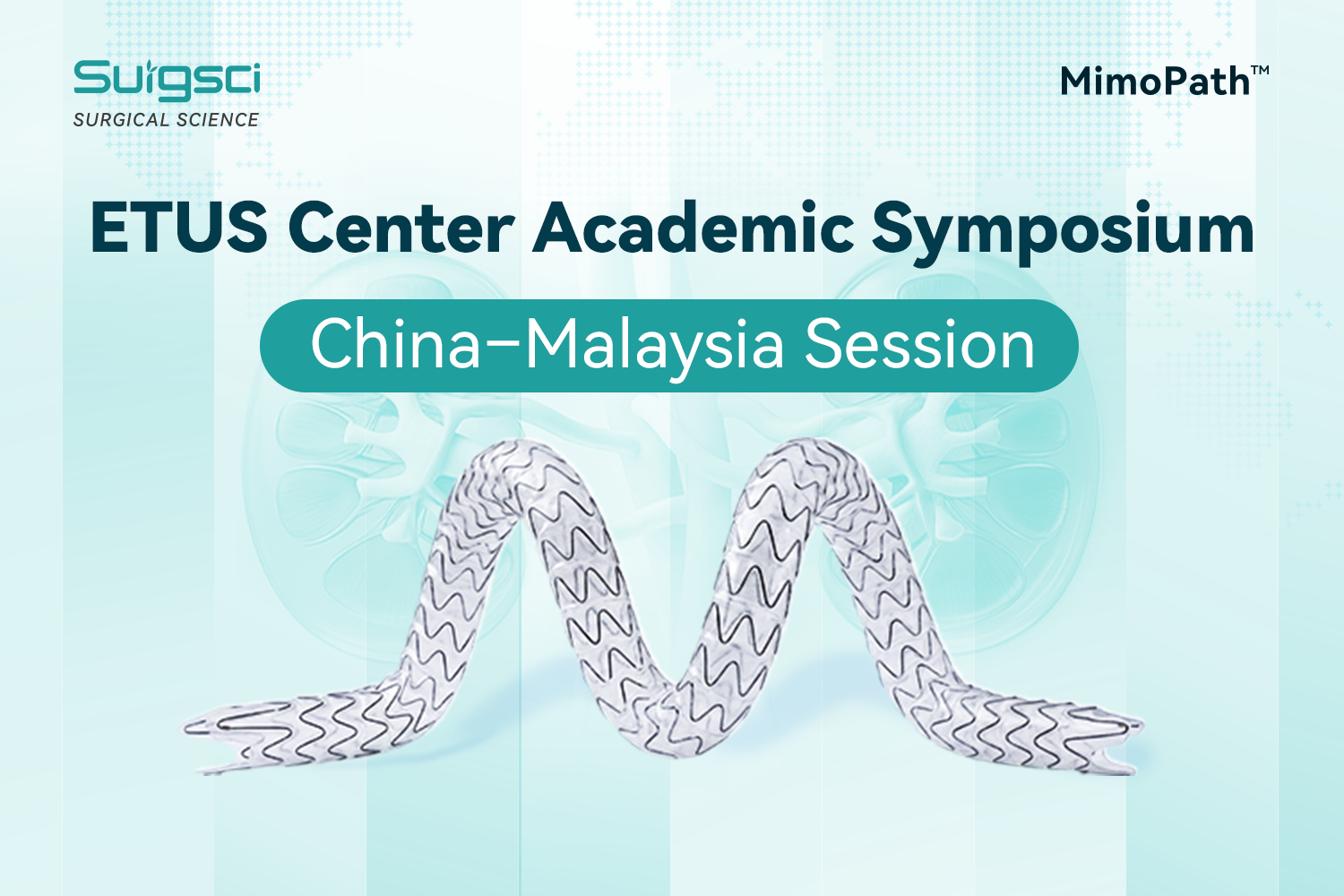
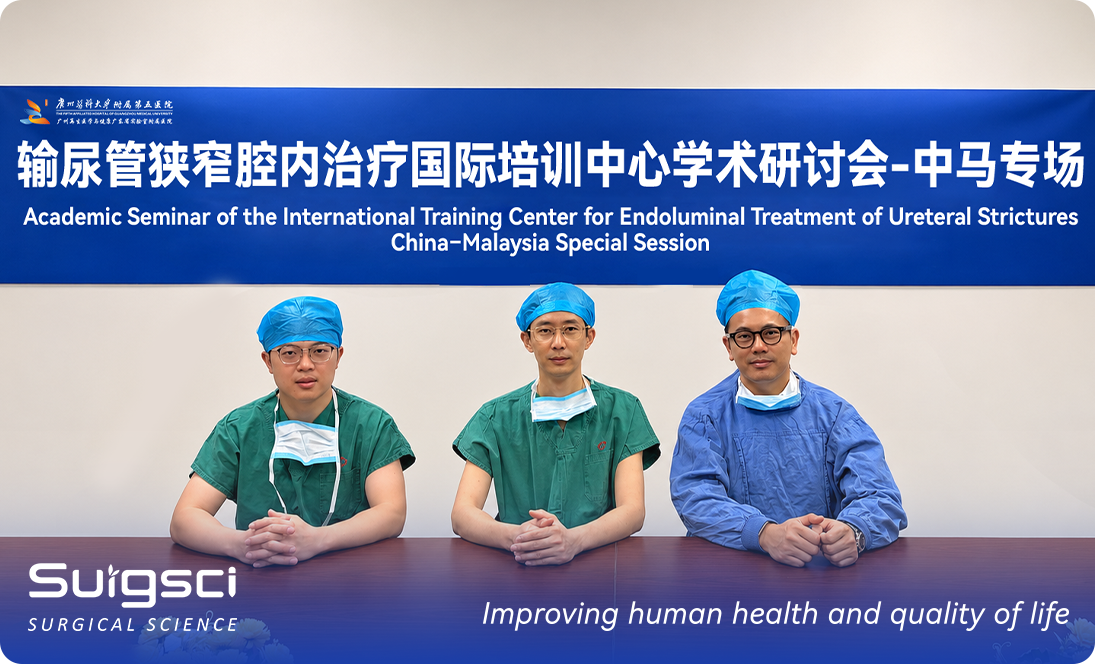
On November 8, 2026, the China–Malaysia session of the International Exchange and Training Center for Endoluminal Treatment of Ureteral Strictures (ETUS Center) Academic Symposium was held at the Fifth Affiliated Hospital of Guangzhou Medical University. Through ward rounds, case discussions, and live surgical observation, urologists from China and Malaysia exchanged perspectives on minimally invasive approaches to complex ureteral strictures, urinary stone disease, and prostate conditions.
Clinical Perspectives from the Ward
Professor Guibin Xu of the Fifth Affiliated Hospital of Guangzhou Medical University welcomed Dr. Zainal, a urologist from Malaysia, to the urology ward. Professor Xu presented representative cases and shared the department’s experience in managing ureteral strictures throughout the course of care and treating urinary stones with minimally invasive techniques.
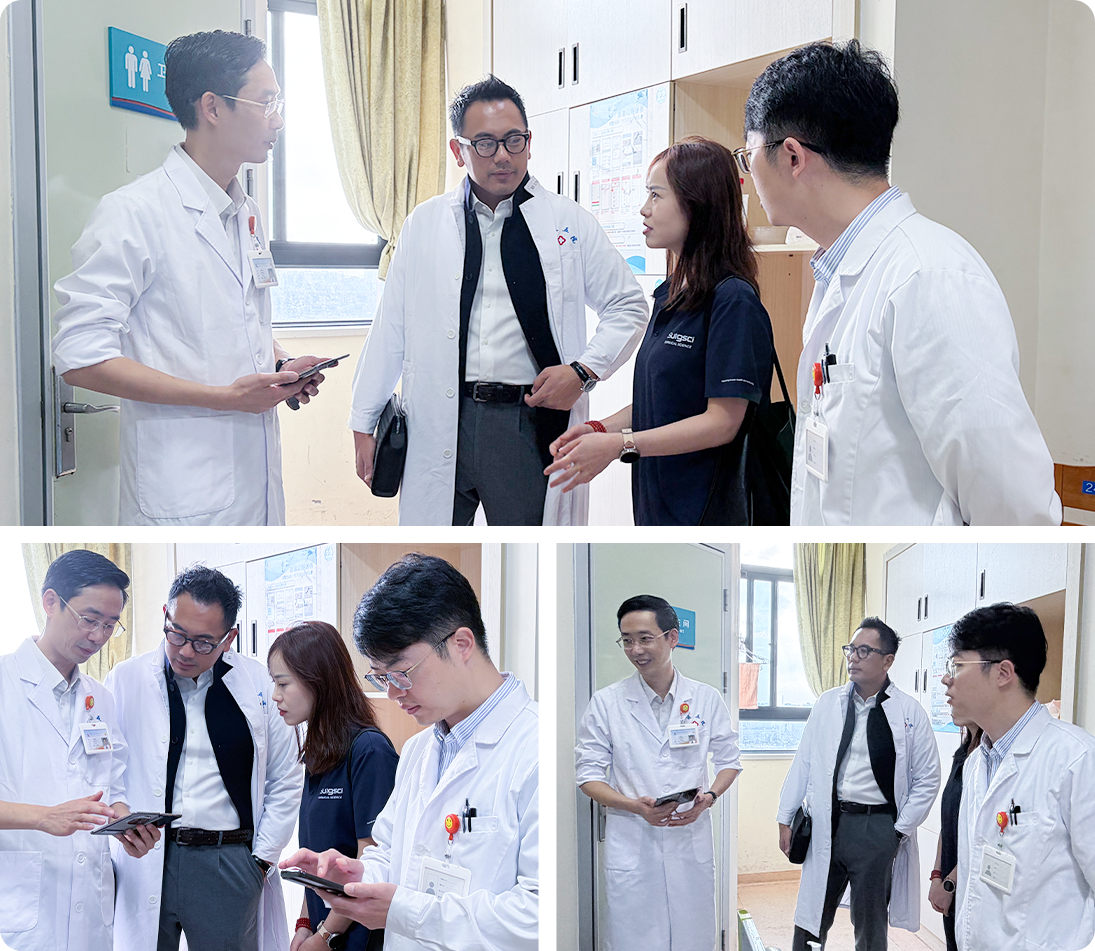
During the ward rounds, the participants reviewed several complex cases, discussing patient histories, imaging findings, treatment plans, and postoperative follow-up. Professor Xu’s team explained the factors that informed their treatment decisions, while the Malaysian specialist shared approaches from clinical practice in Malaysia.
Live Surgical Demonstrations
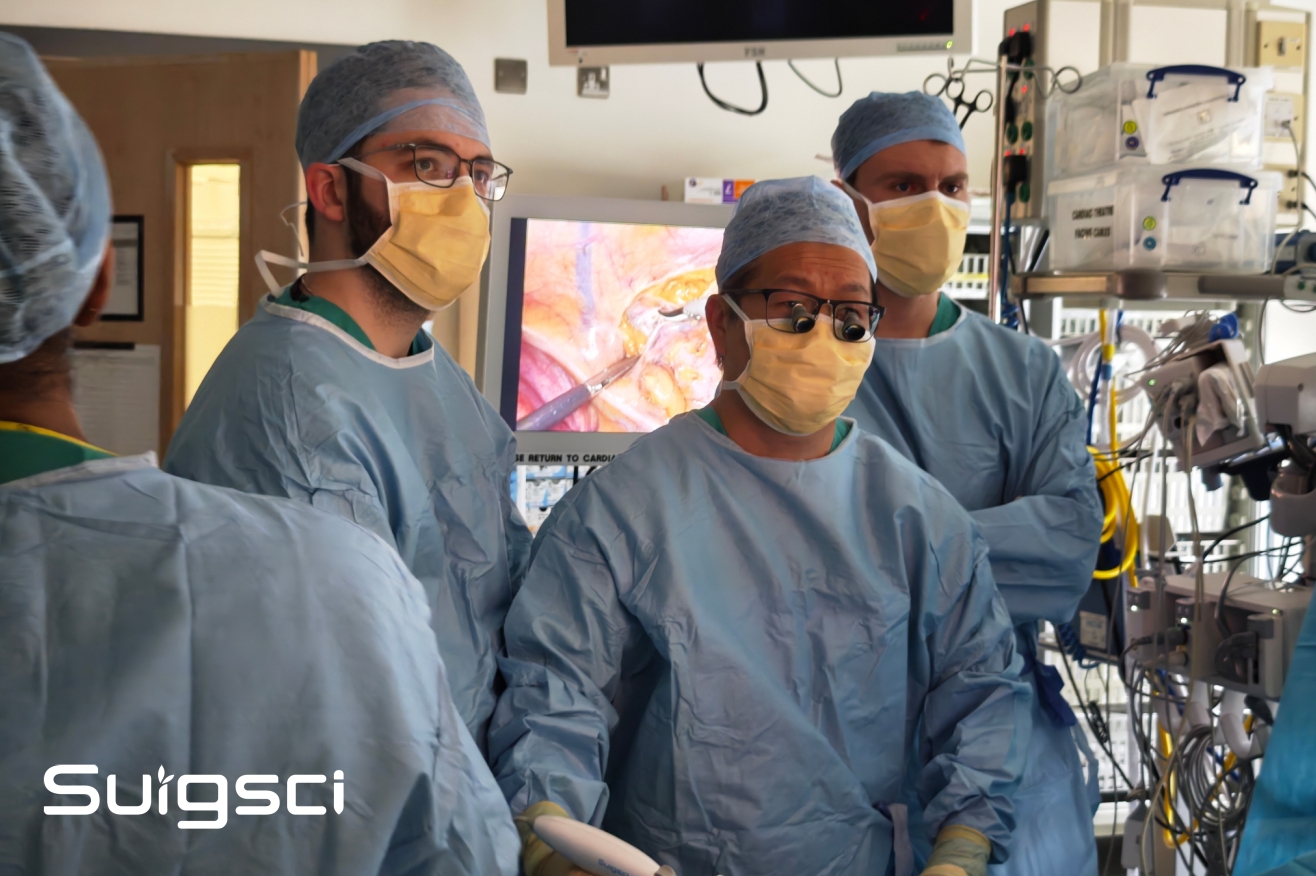
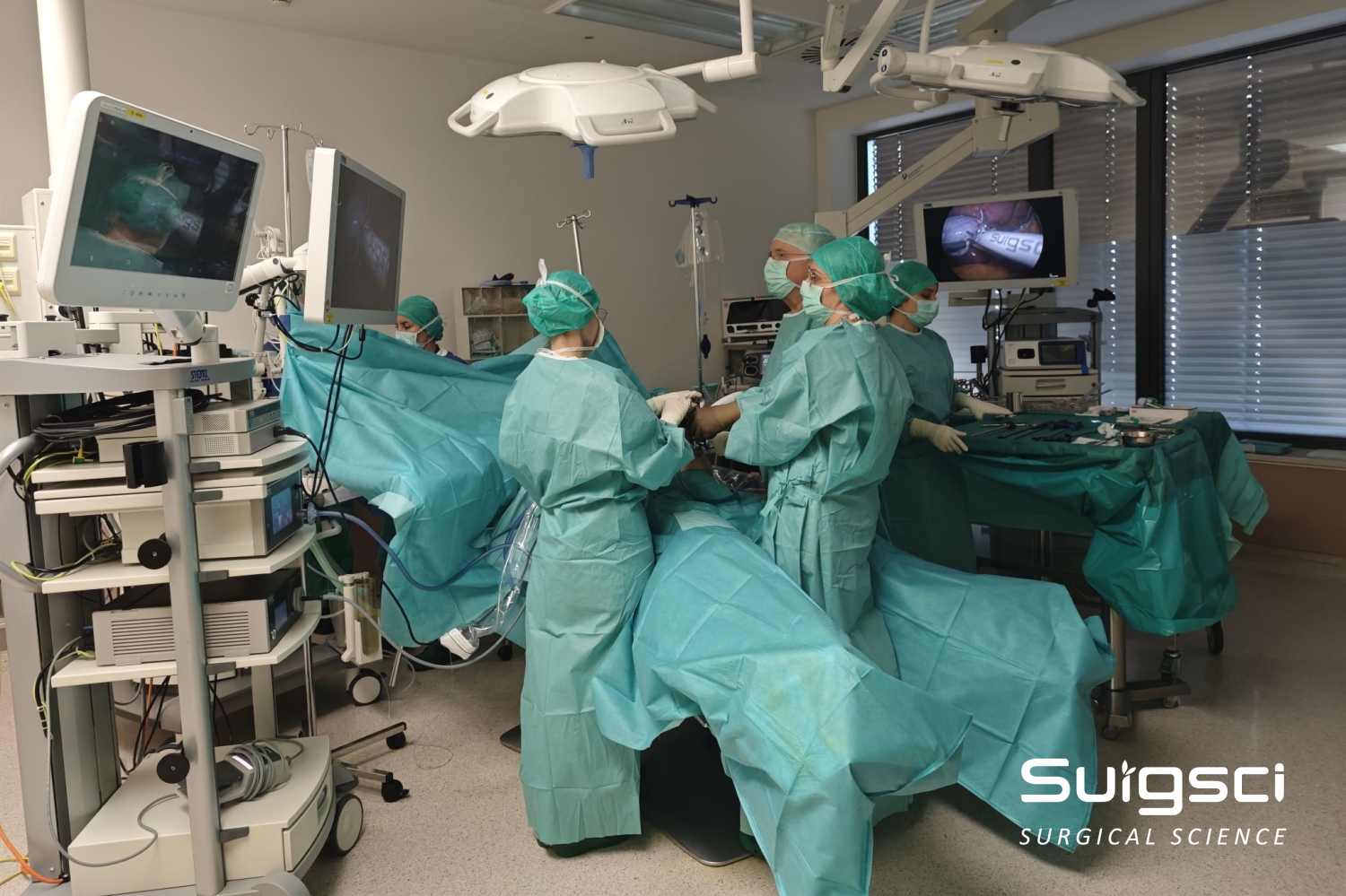
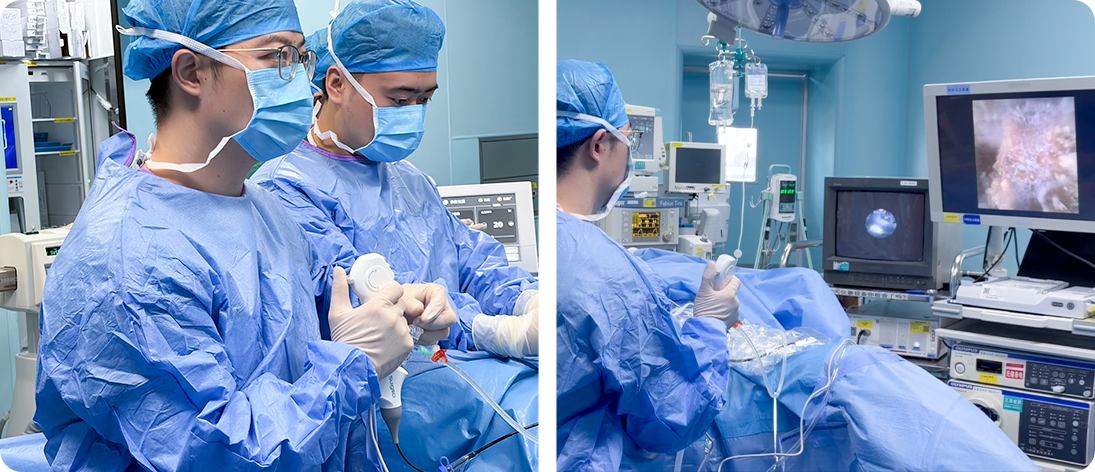
Professor Xu and his team demonstrated covered ureteral stent placement, retrograde intrarenal surgery (RIRS) with flexible ureteroscopic lithotripsy, and water vapor thermal therapy for the prostate. Throughout the demonstrations, the team explained the rationale for each approach and highlighted key procedural steps.
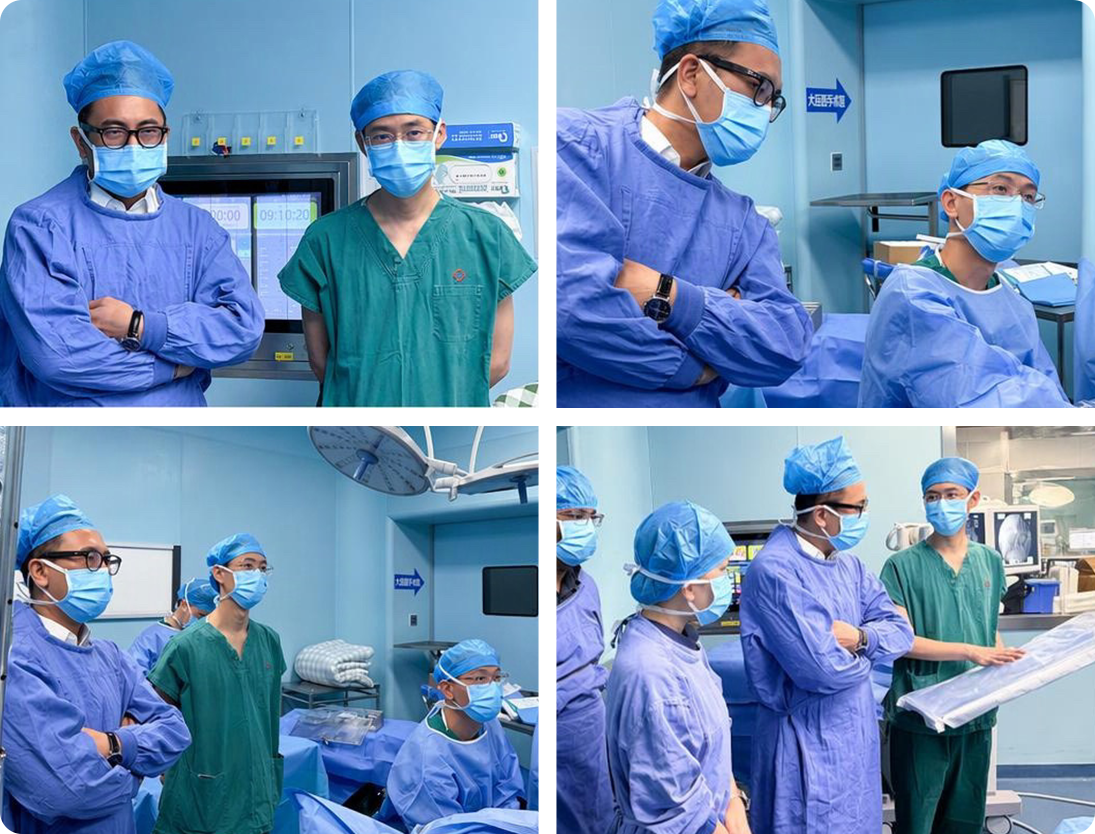
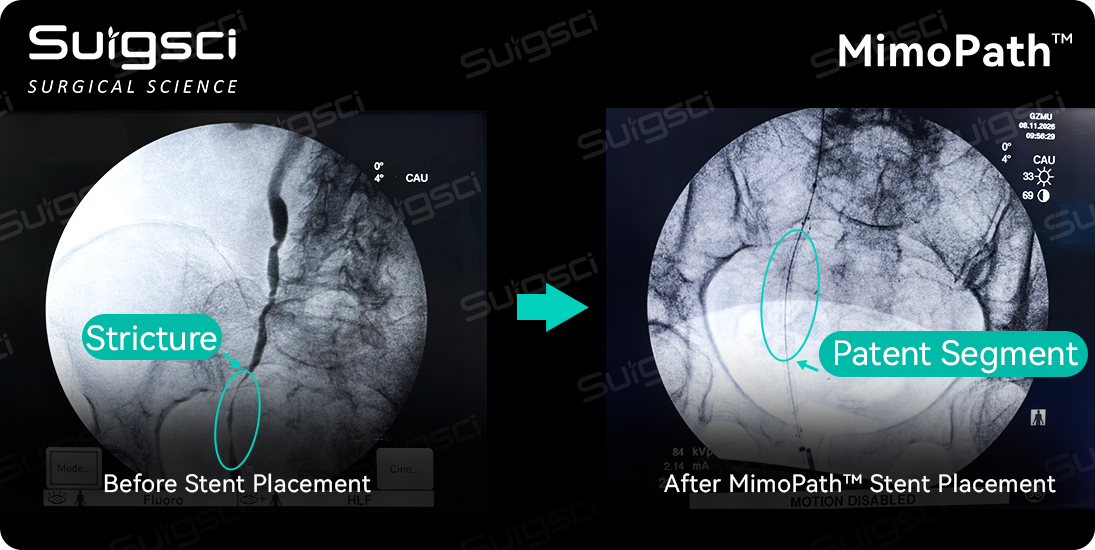
The stent placement demonstration involved a patient who had developed a ureteral stricture after chemoradiotherapy for cervical cancer and also had a stone in the mid-to-distal right ureter. The team placed a Surgsci MimoPath™ Covered Metallic Ureteral Stent (Mimo™ stent). Participants observed the full placement procedure, including localization of the stricture and stent deployment.
During the flexible ureteroscopic lithotripsy demonstration, the team used the Surgsci Single-Use Digital Ureterorenoscope Catheter for visualization and procedural guidance. After observing the procedure, the Malaysian specialist noted the clarity and color fidelity of the images and commented that the device met the visualization needs of complex minimally invasive upper urinary tract procedures.
Device Design in Clinical Practice
The demonstrations showed how device design translates into clinical use, from supporting a narrowed ureteral segment to adjusting the field of view during ureteroscopy.
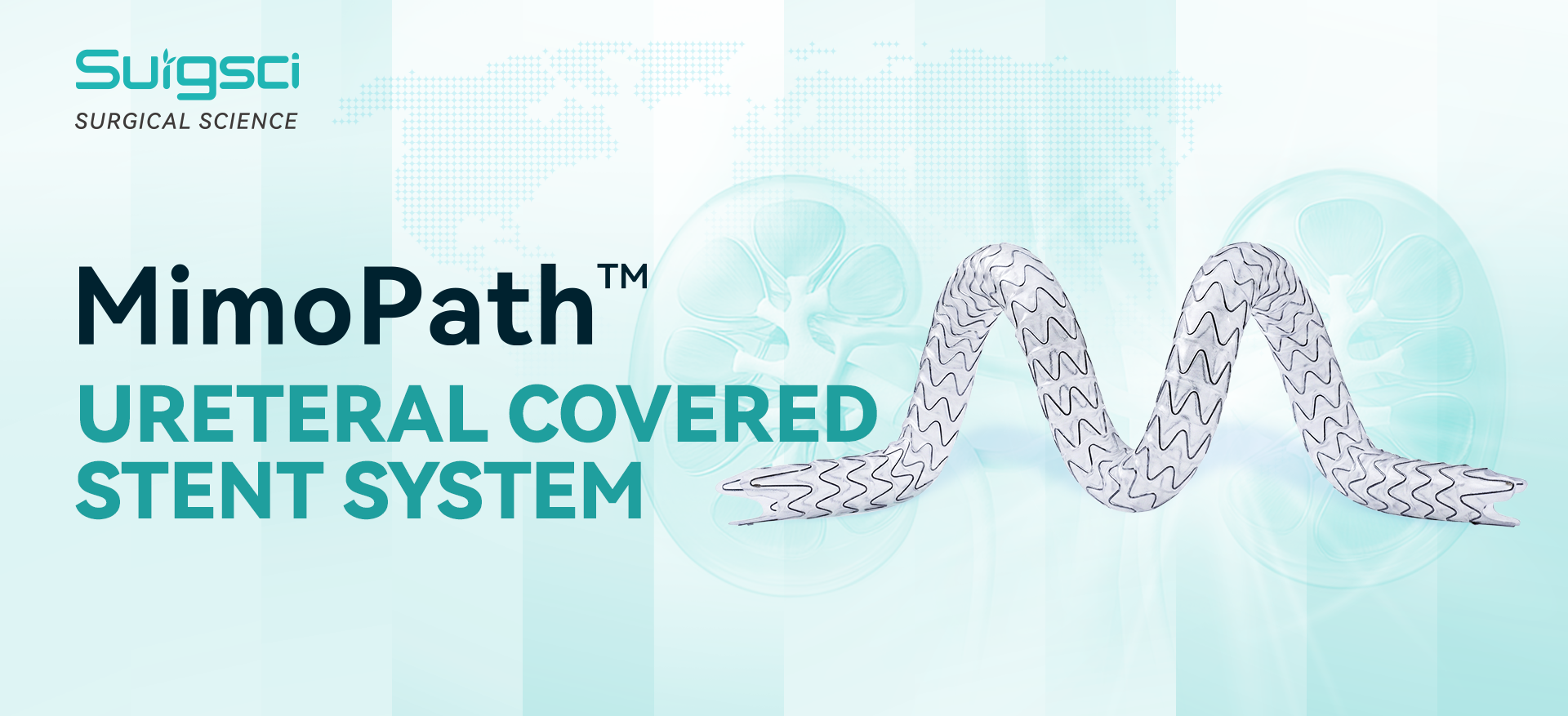
The Mimo™ stent features a self-expanding nitinol frame and a covered design that combines radial support with flexibility. It is available in multiple diameters and lengths, allowing clinicians to select a size based on the characteristics of the stricture.
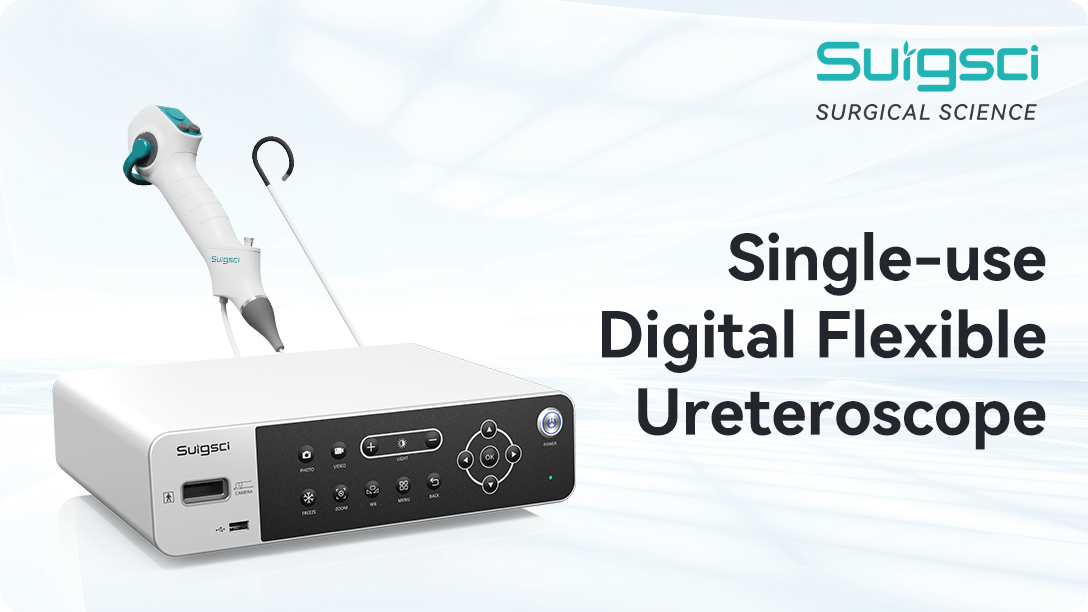
The Single-Use Digital Ureterorenoscope Catheter is used with an endoscopic image processor. Its distal tip can deflect up to 275° in either direction, allowing the operator to adjust the viewing angle during the procedure.
Continuing the Clinical Exchange
From case discussions on the ward to live observation in the operating room, the session gave Chinese and Malaysian specialists an opportunity to compare approaches to individual cases. It also gave the visiting specialist a firsthand look at how medical devices developed in China are used in urological procedures.
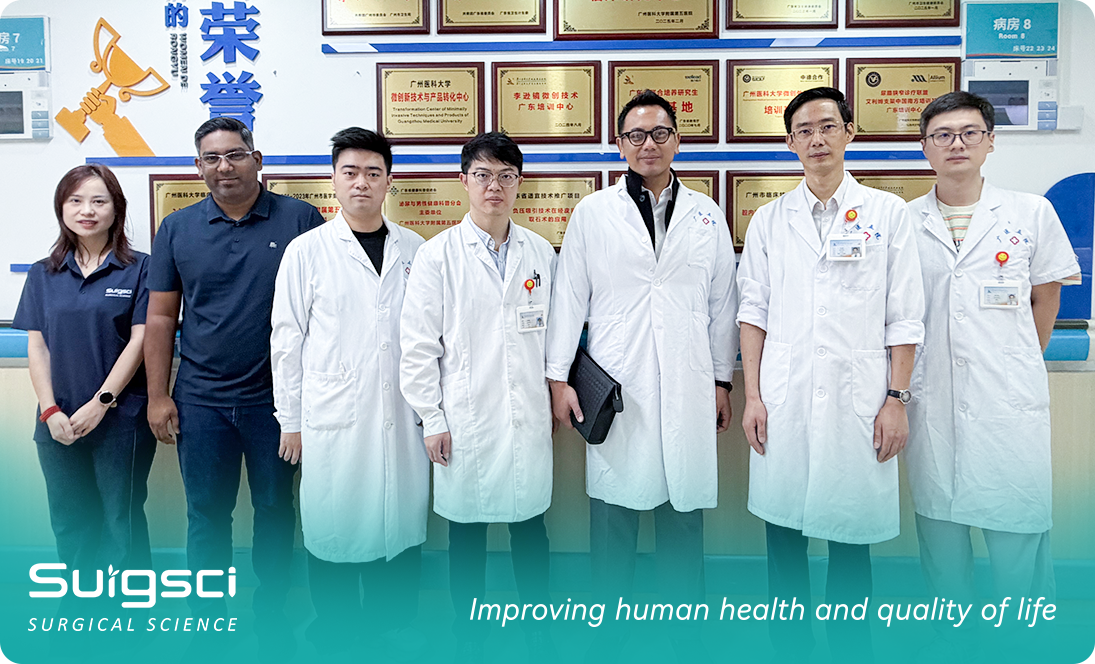
The ETUS Center will continue to organize focused symposia and clinical training, giving urologists in China and abroad more opportunities to share practical experience and discuss challenging cases.
About the Department of Urology
The Department of Urology at the Fifth Affiliated Hospital of Guangzhou Medical University is recognized as a Key Clinical Specialty in Guangdong Province, with a focus on minimally invasive urology. Its clinical services include urinary stone management, urinary tract reconstruction, prostate care, andrology, and urologic oncology. The department also undertakes clinical education, research, and professional training, and has extensive experience in the diagnosis and treatment of complex urinary tract strictures and in the application of minimally invasive techniques.