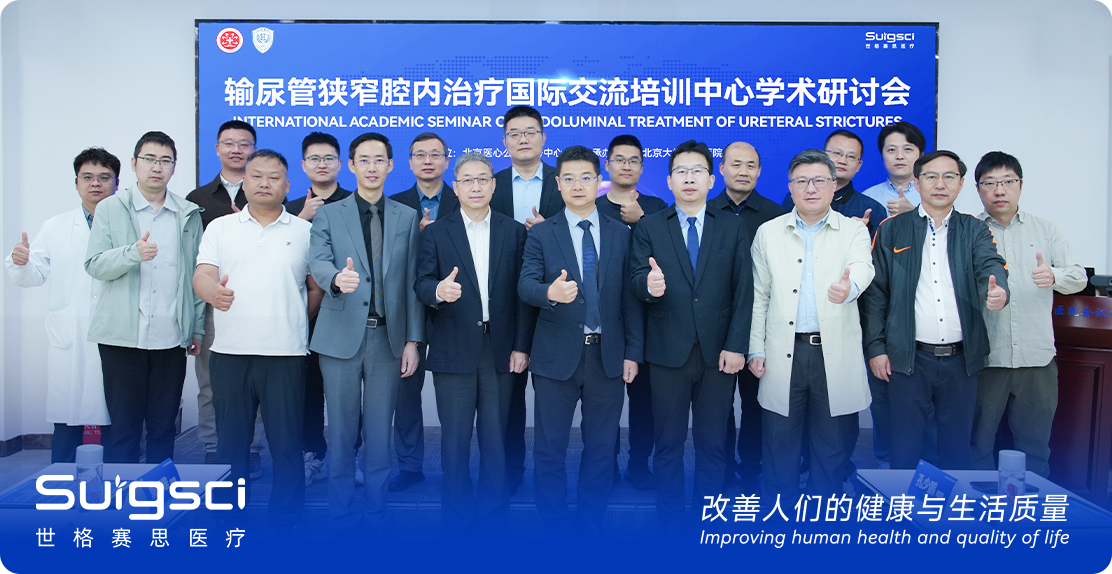
On October 17, 2026, the Academic Symposium of the International Training Center for Endoluminal Treatment of Ureteral Strictures (ETUS Center) was held in Beijing, hosted by Peking University People’s Hospital.
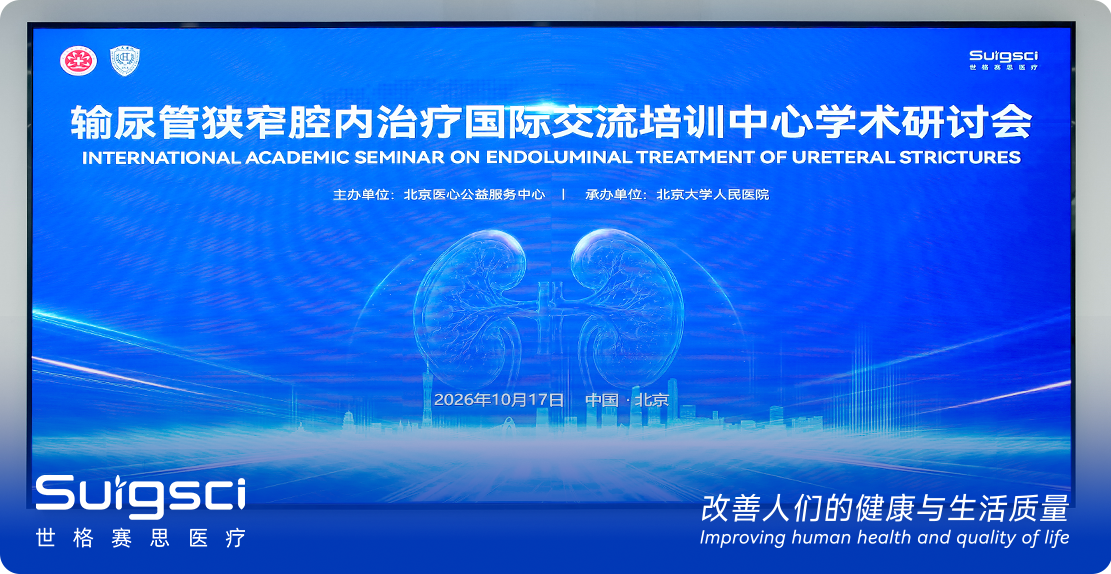
The symposium focused on three key topics: the standardized application of novel ureteral stents, the management of ureteral strictures following radiotherapy for cervical cancer, and maintenance treatment for benign ureteral strictures. Through expert lectures, panel discussions, and live surgical demonstrations, participants exchanged clinical experience and explored practical approaches to improving endoluminal treatment.
Opening Remarks
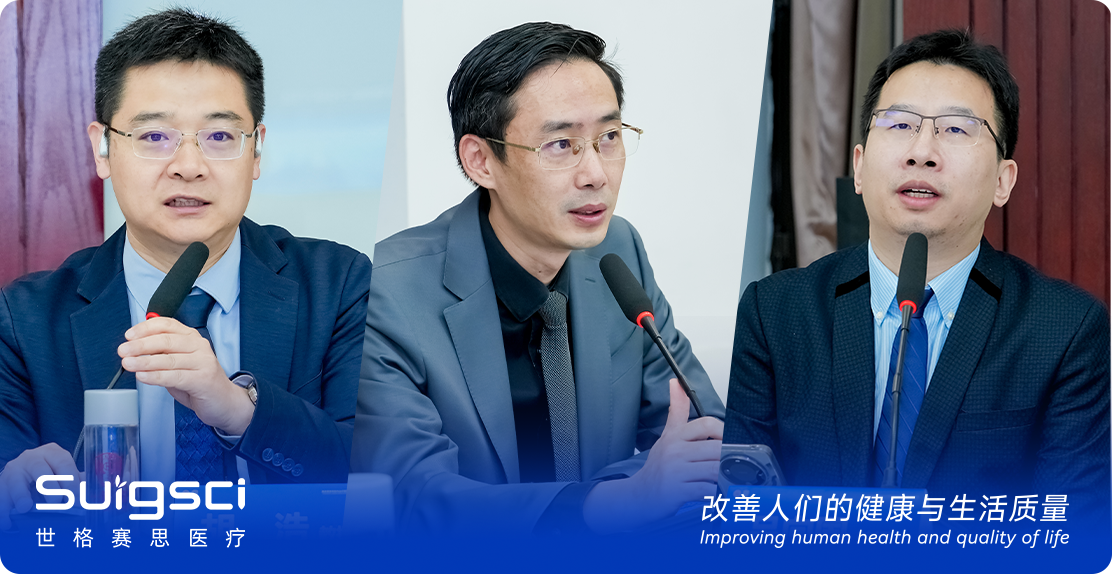
Professor Tao Xu, Symposium Chair from Peking University People’s Hospital, highlighted ureteral stricture treatment as a specialized field within urology that requires continued clinical exchange, standardized practice, and professional training.
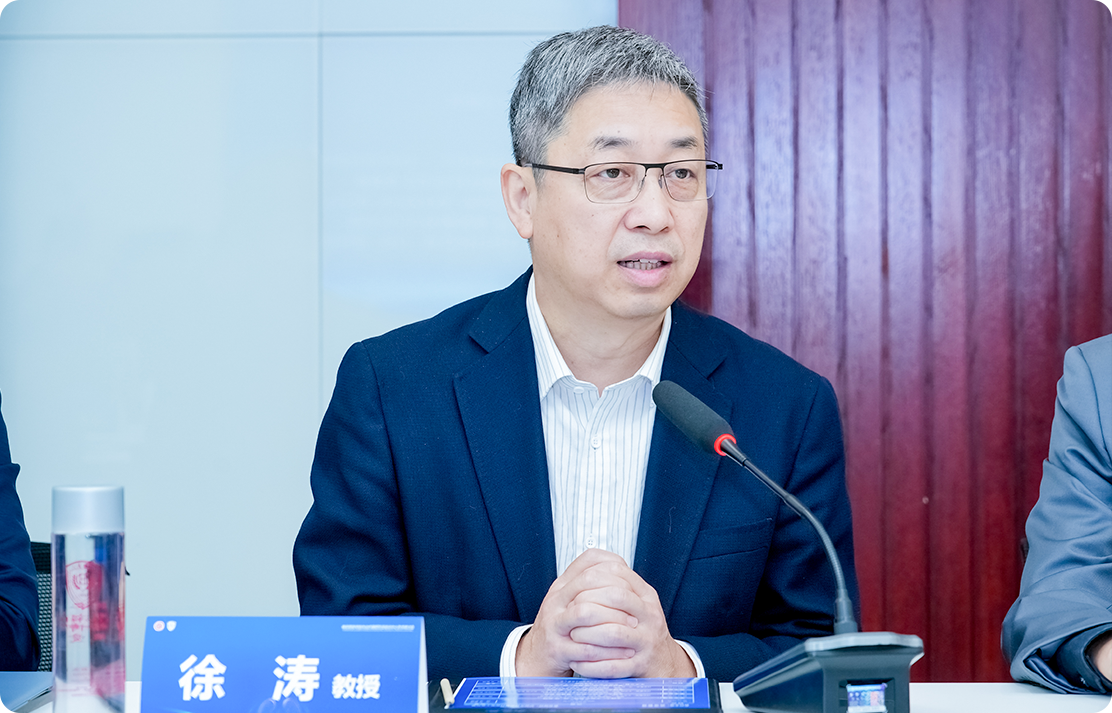
He emphasized the symposium’s focus on in-depth discussion, practical learning, and consensus building. Expert dialogue and surgical demonstrations provided opportunities to examine clinical controversies and technical challenges. He also expressed the hope that future multicenter studies would generate evidence from China to support improvements in clinical care.
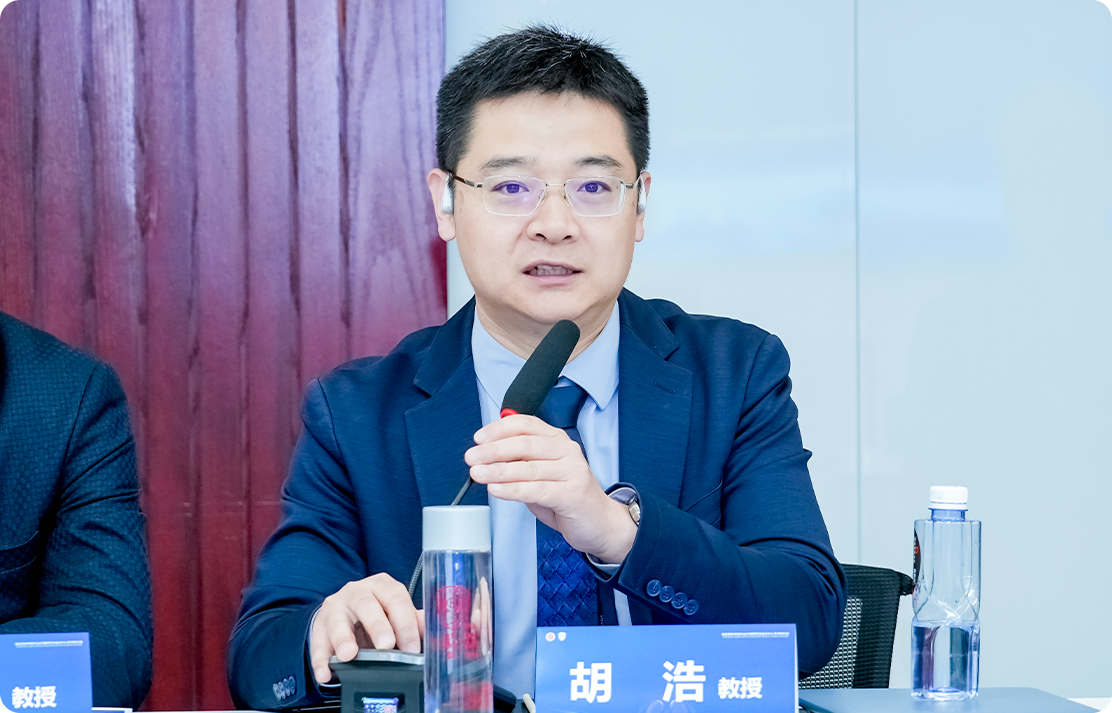
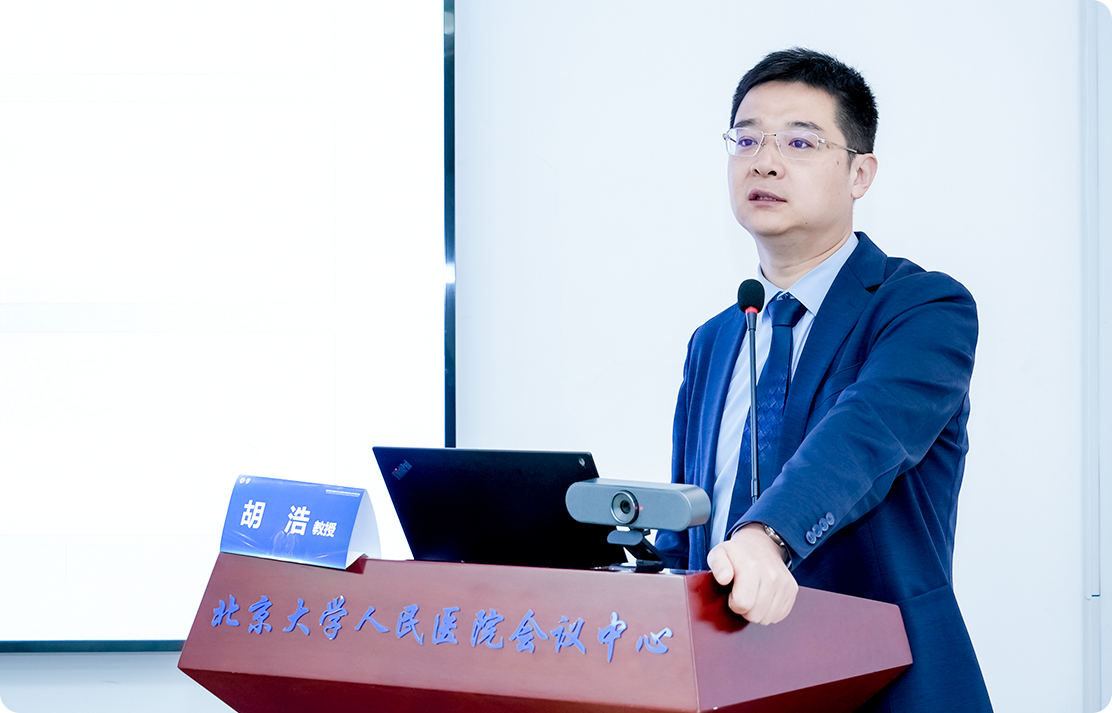
Professor Hao Hu, Executive Chair from Peking University People’s Hospital, introduced the mission and future plans of ETUS Center. The center will continue to organize academic meetings and surgical training, connecting Chinese and international specialists to share experience and promote standardized clinical practice.
Exploring Novel Ureteral Stents
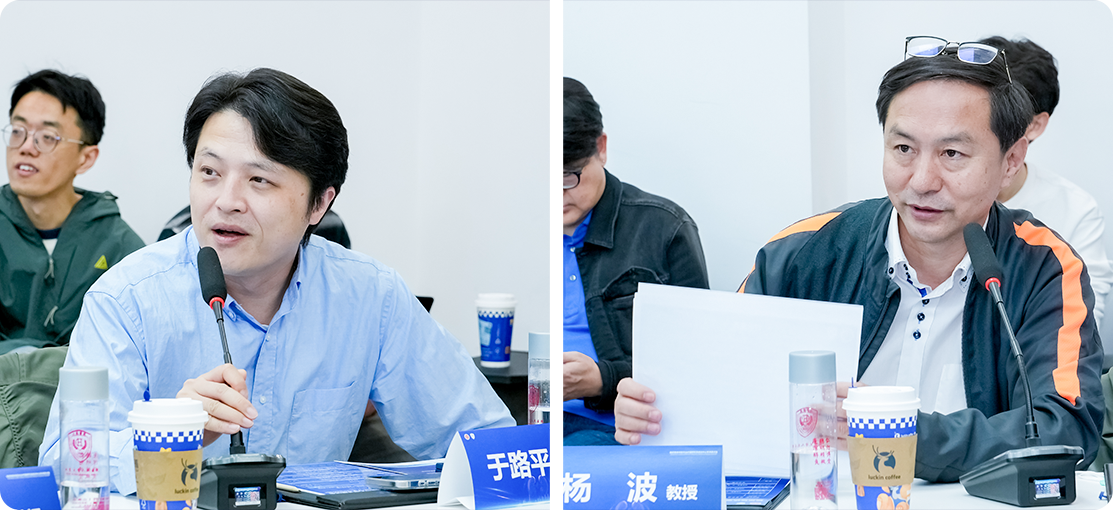
The relationship between the underlying causes of ureteral strictures and stent selection remains an important clinical topic. Professors Luping Yu and Bo Yang from Peking University People’s Hospital moderated discussions on stent selection, procedural challenges, and complication management.
Professor Hao Hu reviewed clinical controversies surrounding novel ureteral stents, addressing their indications, long-term outcomes, and practical considerations. His presentation explored key aspects of individualized stent selection, placement, and removal.
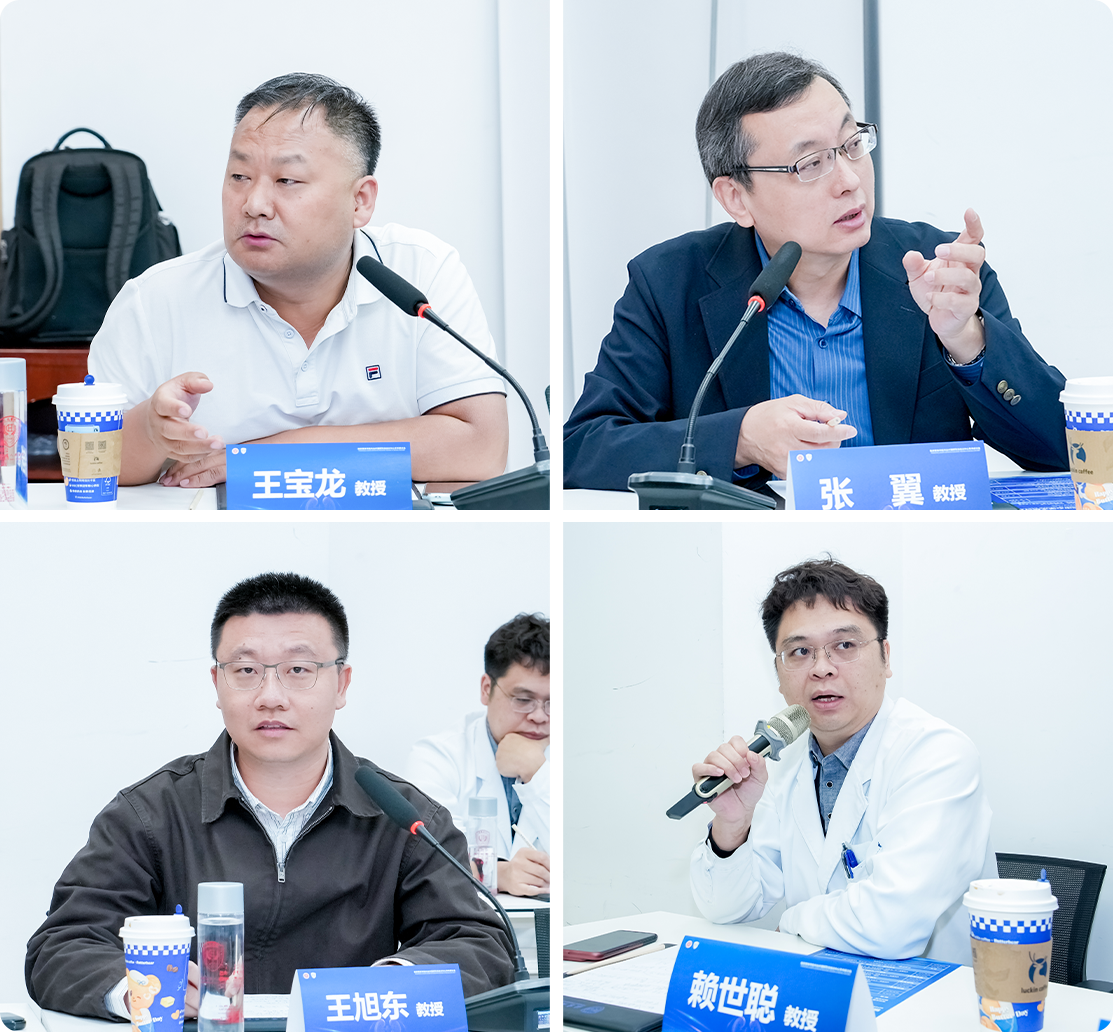
Professors Baolong Wang, Yi Zhang, Xudong Wang, and Shicong Lai contributed perspectives on patient age, underlying conditions, stricture location, stent positioning, procedural training, and long-term follow-up. The discussion considered both treatment outcomes and individual patient needs.
Managing Post-Radiotherapy Strictures
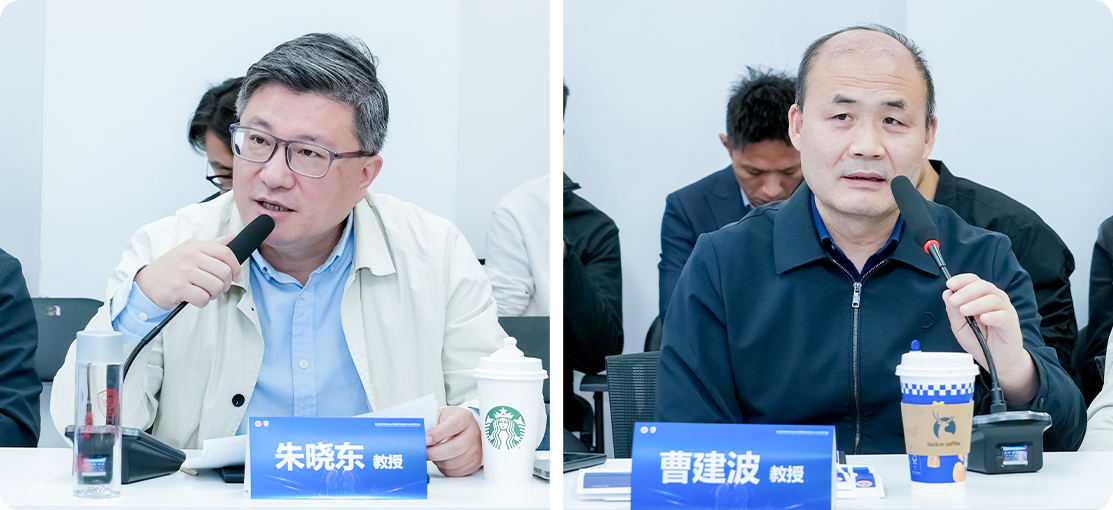
Ureteral strictures following radiotherapy present complex clinical challenges. Professor Xiaodong Zhu from Beijing Electric Power Hospital and Professor Jianbo Cao from Sanmenxia Central Hospital moderated this session, focusing on strictures following radiotherapy for cervical cancer.
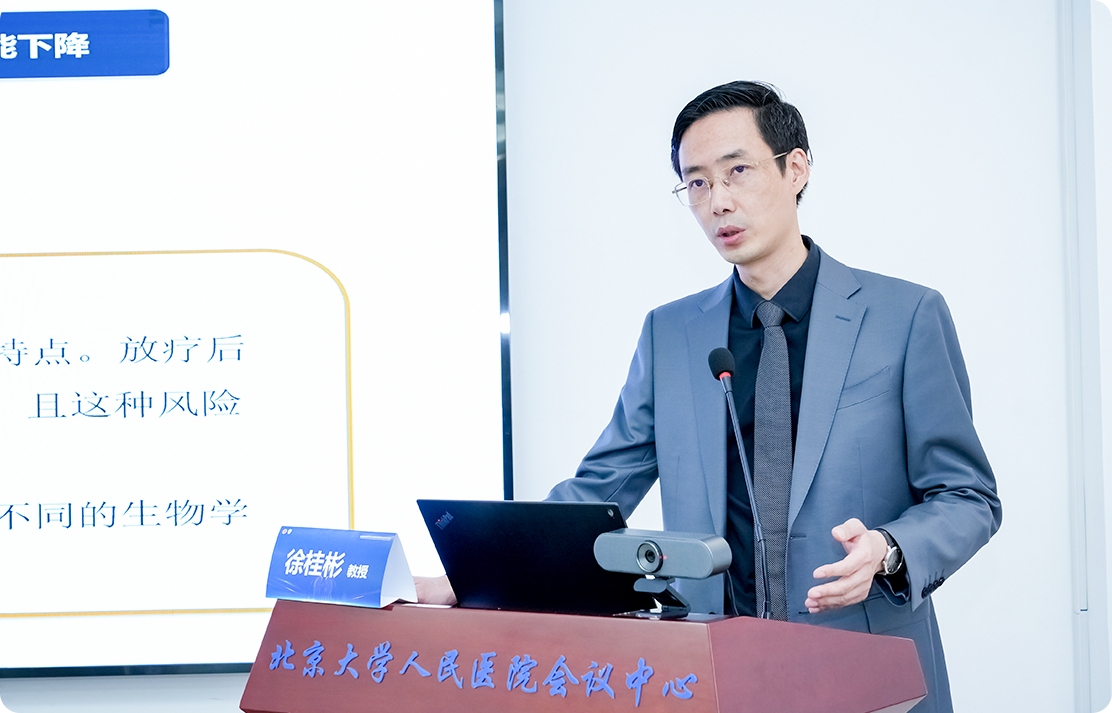
Professor Guibin Xu from the Fifth Affiliated Hospital of Guangzhou Medical University shared clinical experience covering disease characteristics, preoperative assessment, minimally invasive treatment strategies, and risk management. He highlighted the importance of considering local tissue conditions, organ function, and the patient’s overall health when developing an individualized treatment plan.
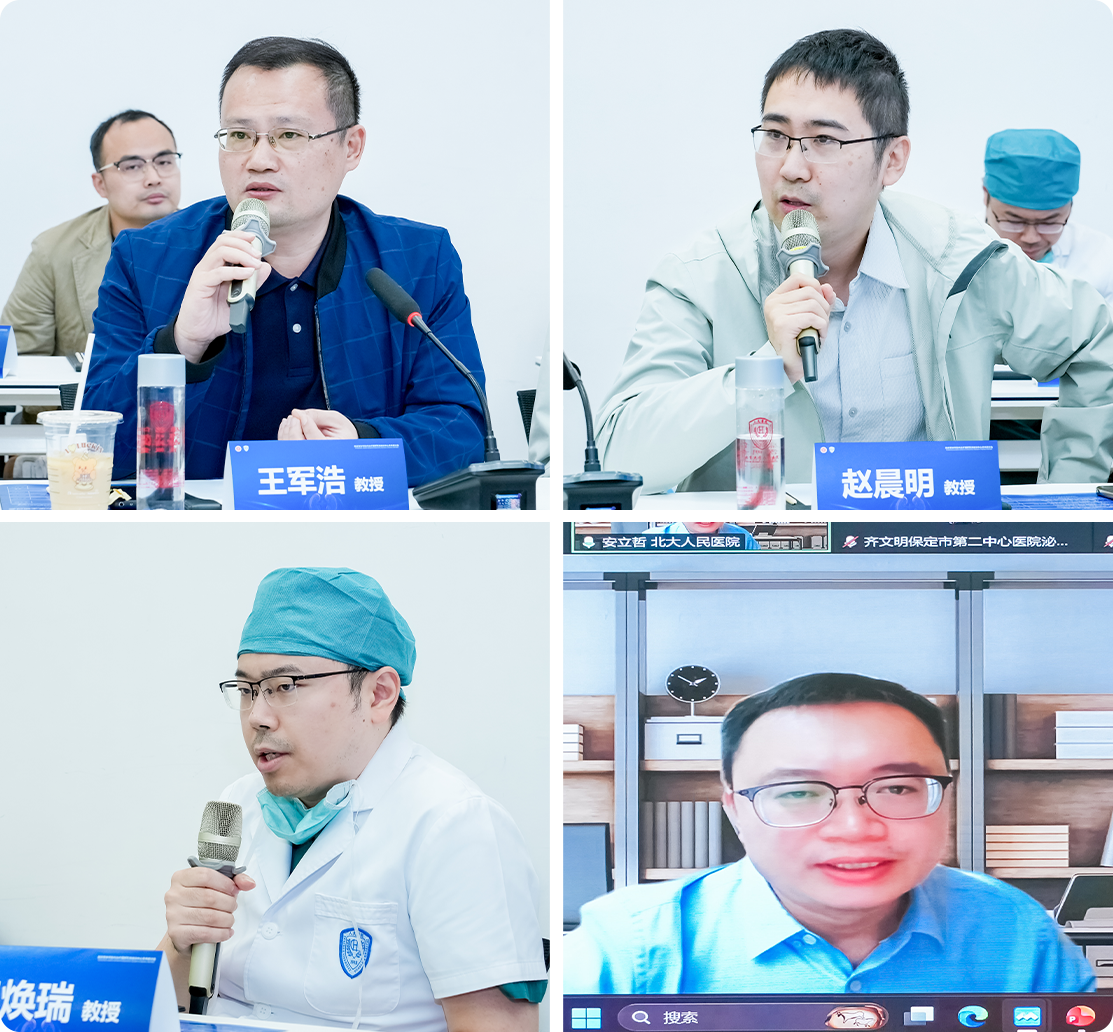
Professors Junhao Wang, Chenming Zhao, Huanrui Wang, and Lizhe An discussed follow-up timing, bladder function assessment, urinary drainage options, risks associated with dilation, and multidisciplinary collaboration, offering practical perspectives on complex cases.
Supporting Long-Term Management
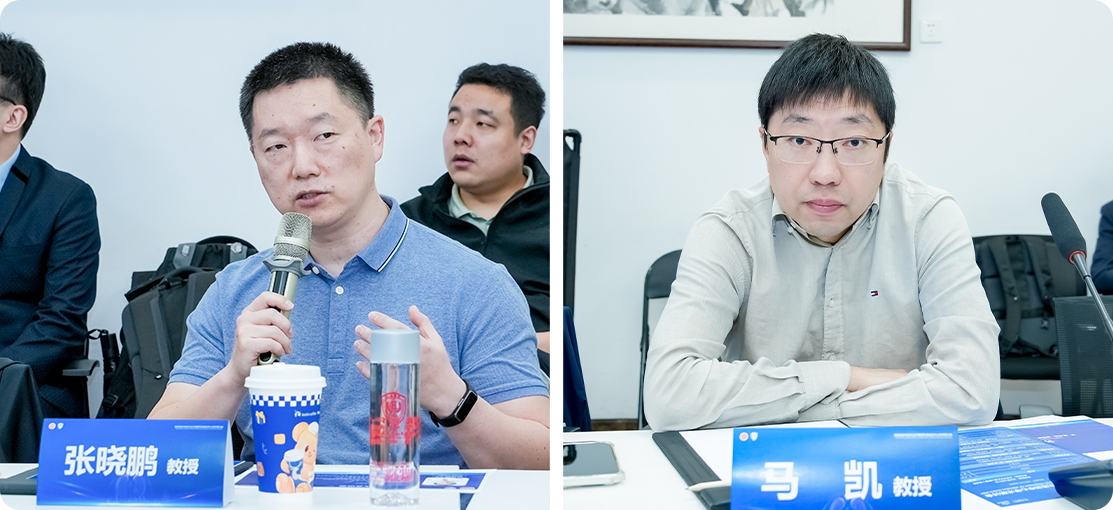
For patients requiring repeated double-J stent exchanges, treatment burden and stent-related complications are important quality-of-life considerations. Professors Xiaopeng Zhang and Kai Ma from Peking University People’s Hospital moderated discussions on maintenance treatment and long-term management of benign ureteral strictures.
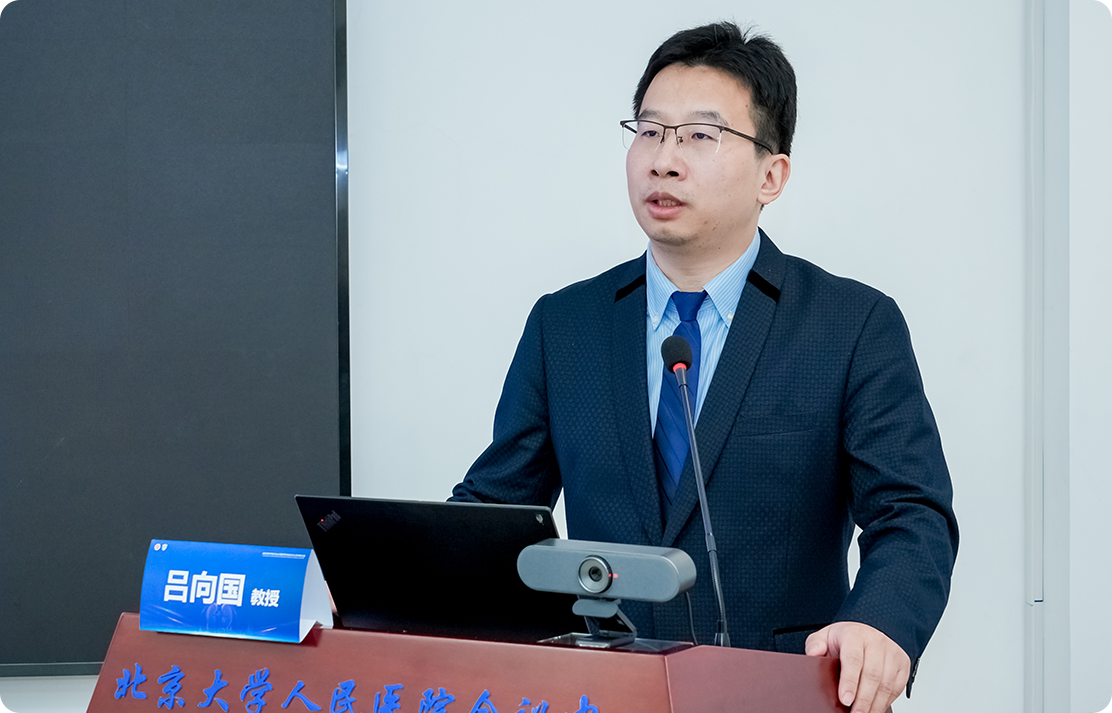
Professor Xiangguo Lü from Renji Hospital, Shanghai Jiao Tong University School of Medicine, reviewed balloon dilation, stent placement and exchange, material selection, and approaches to strictures in challenging anatomical locations. His presentation extended the discussion beyond intervention to ongoing follow-up and care.
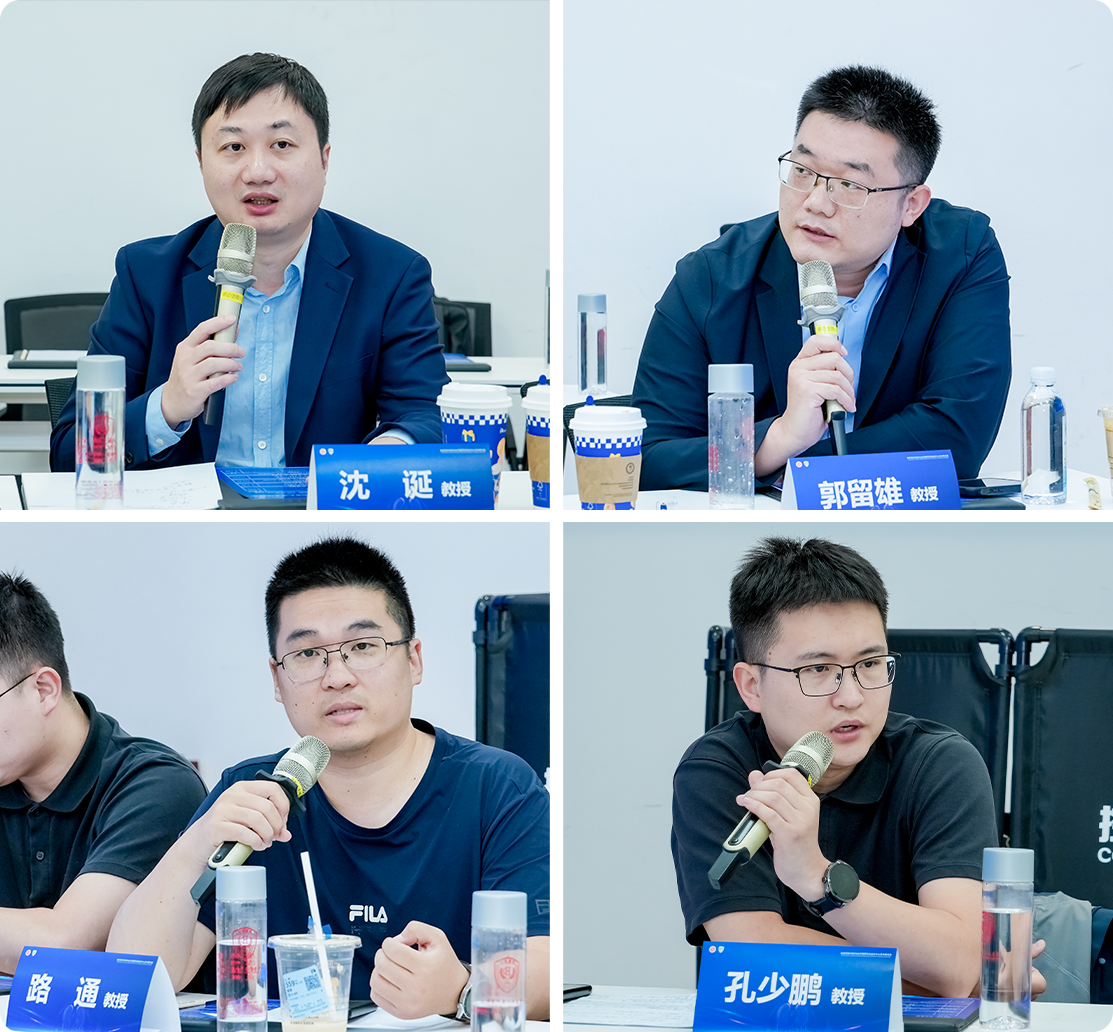
Professors Dan Shen, Liuxiong Guo, Tong Lu, and Shaopeng Kong shared case-based experience on selecting between definitive surgery and maintenance treatment, long-term stent management, dilation techniques, and complex stricture treatment.
Live Surgical Demonstration
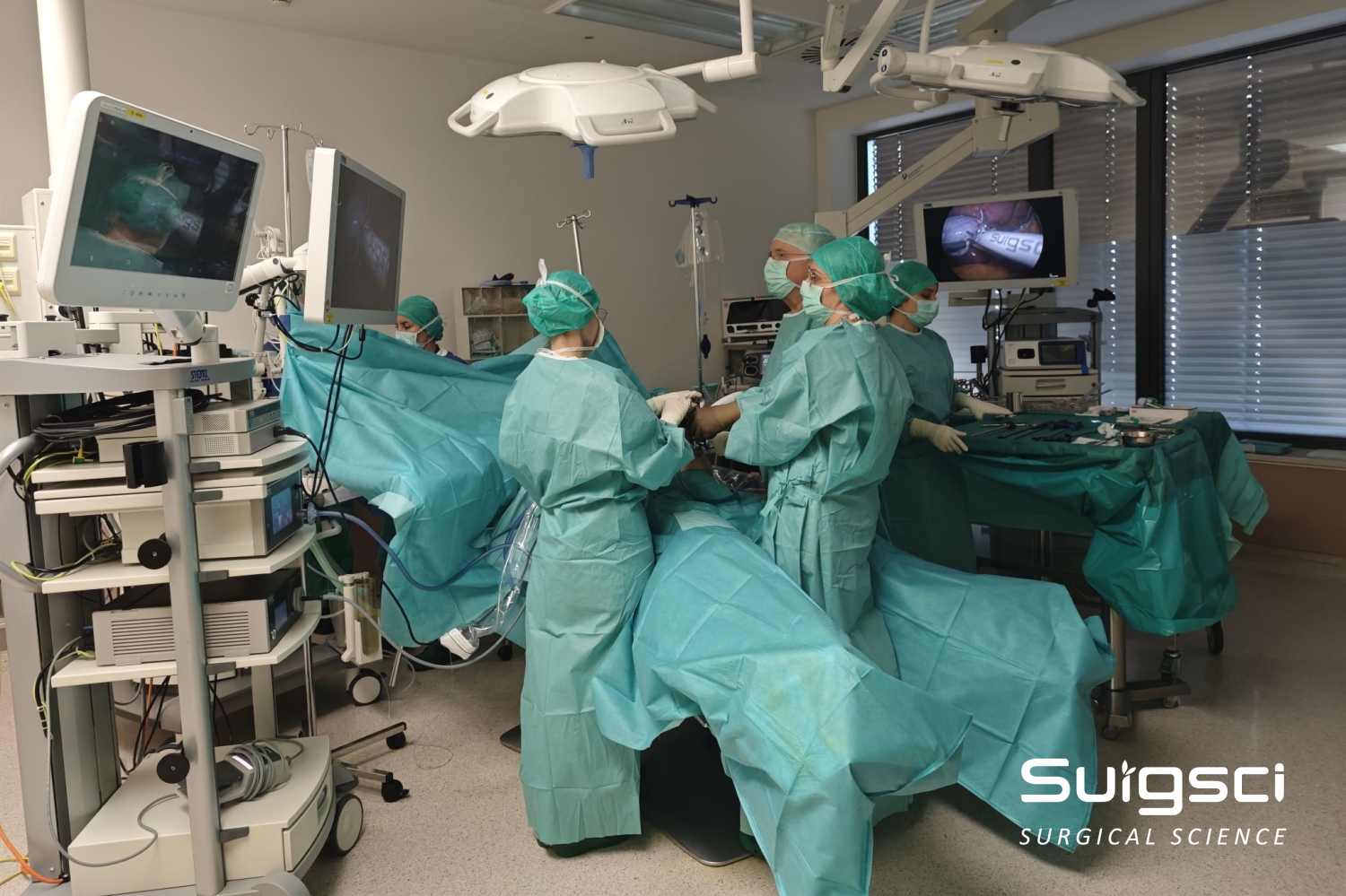
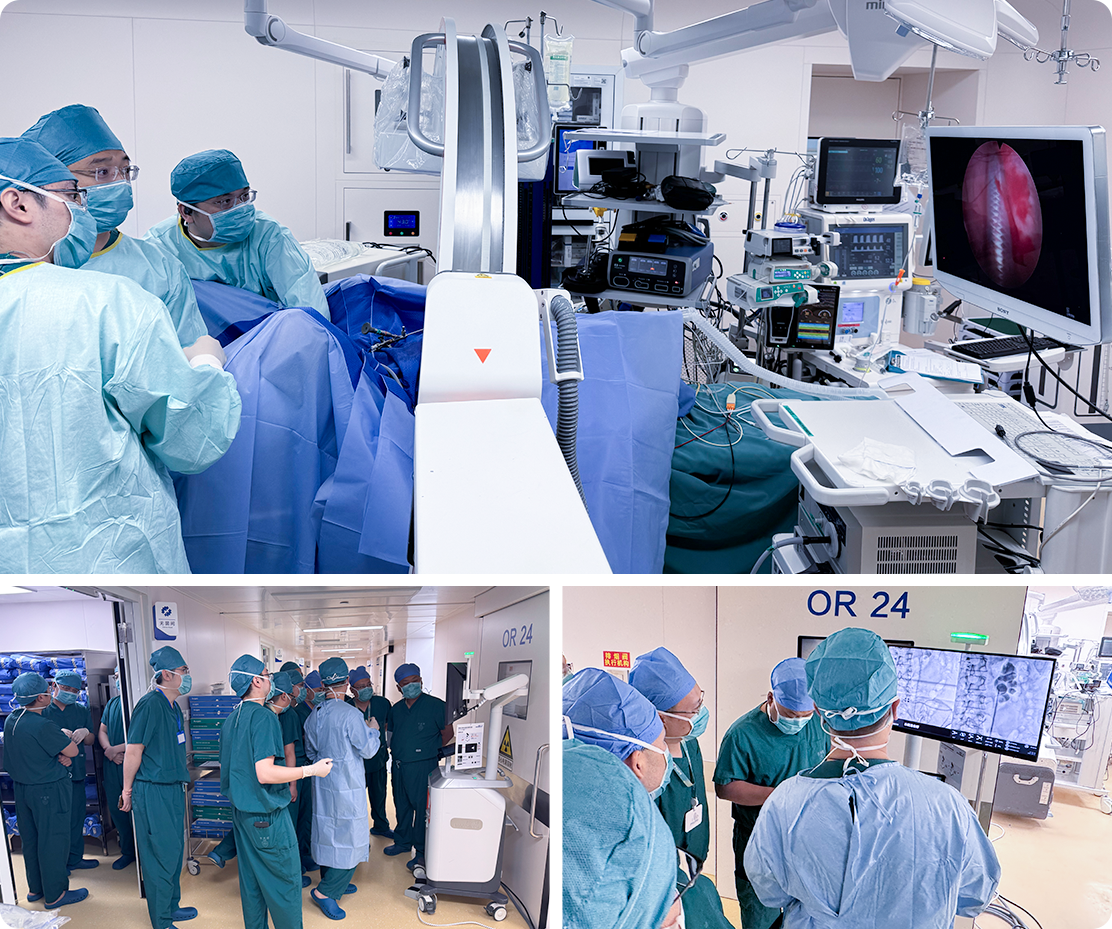
During the symposium, Professor Hao Hu performed a live surgical demonstration of endoluminal treatment for ureteral stricture in the operating suite at Peking University People’s Hospital, implanting a Surgsci MimoPath™ Covered Metallic Ureteral Stent, also referred to as the Mimo™ stent.
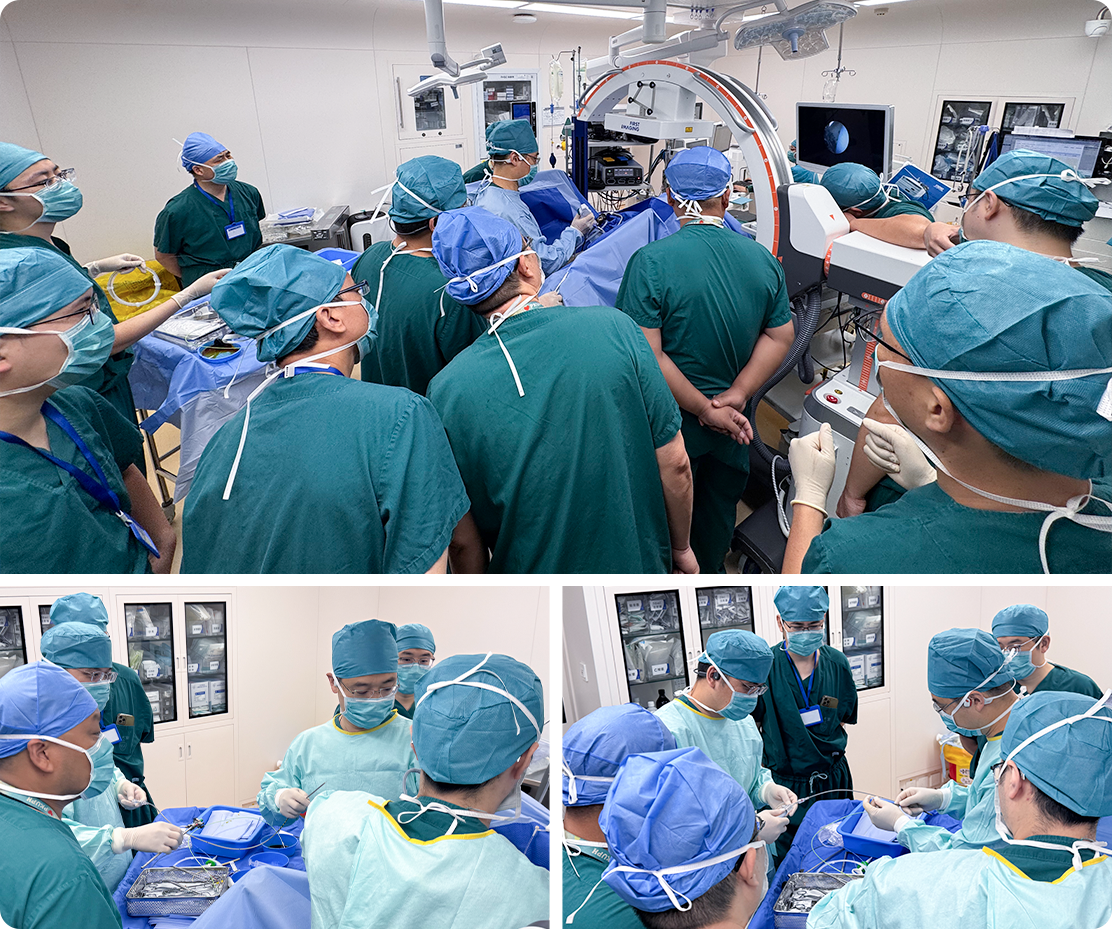
The demonstration covered key steps including stricture assessment, dilation, stent positioning, and deployment, with explanations of technical considerations and procedural precautions. Participants observed the procedure in real time and discussed treatment strategies and technical details, connecting academic discussion with clinical practice.
Technology Supporting Clinical Needs
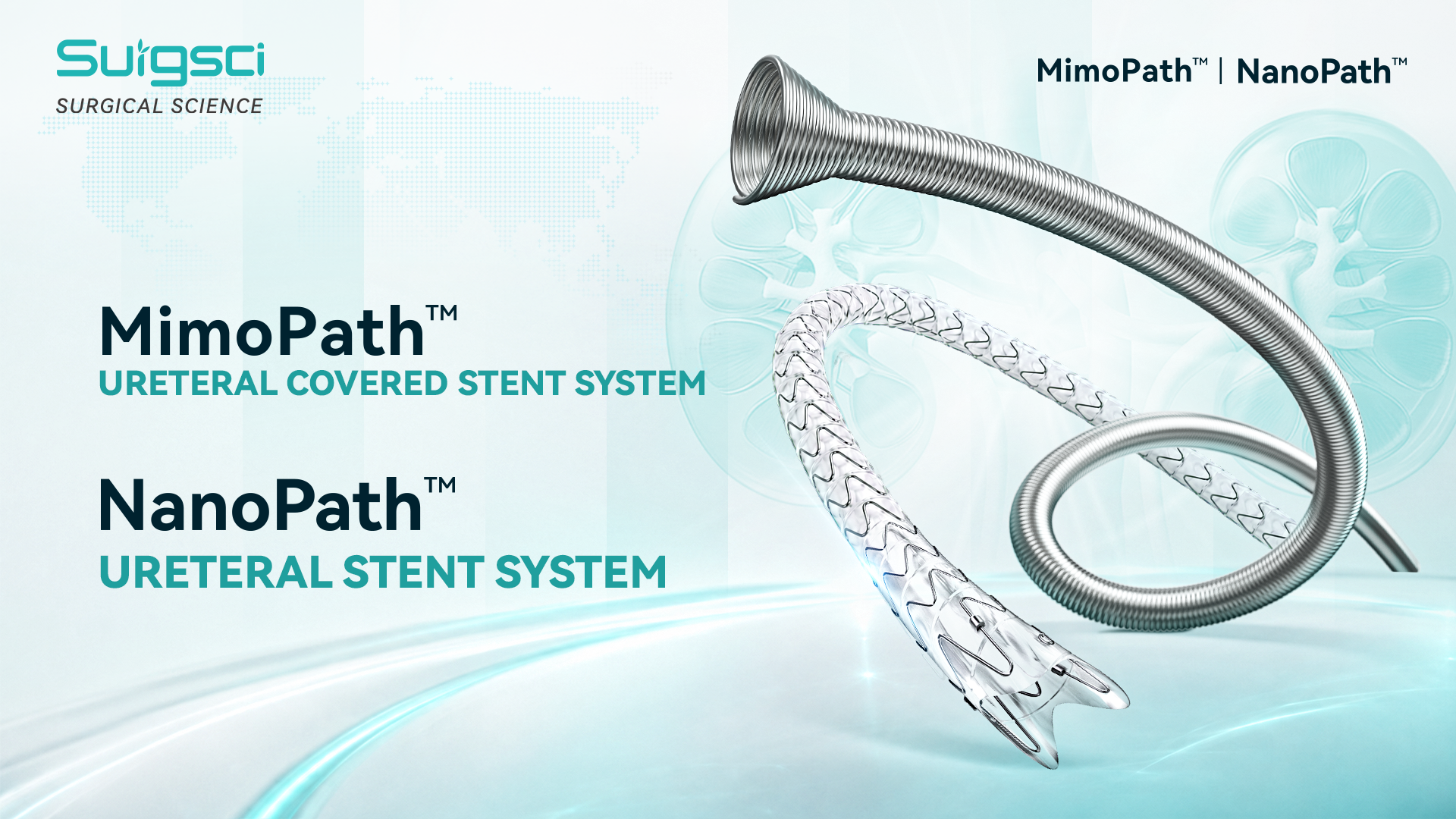
Designed to address support, indwelling management, and subsequent removal in complex ureteral strictures, the Mimo™ stent combines radial support with flexibility to accommodate urinary tract anatomy.
Its hydrophobic coating is designed to help reduce tissue ingrowth, crystal deposition, and protein adhesion. Controlled disassembly technology facilitates subsequent removal, while a range of diameters and lengths supports individualized selection for different stricture locations and extents.
The Nano™ stent uses a temperature-responsive shape-memory alloy, with temperature changes triggering shape recovery. Its design combines flexibility with sustained radial support, with different sizes available to accommodate varying stricture lengths.
Looking Ahead
At the close of the symposium, Professors Tao Xu and Hao Hu reviewed the key discussions and shared perspectives on future academic collaboration and training.
From novel stent selection to complex post-radiotherapy cases and the long-term management of benign strictures, the symposium brought together expert insights, clinical cases, and practical experience to support continued learning and research.
ETUS Center will continue to advance multicenter research, clinical consensus development, regular surgical training, and long-term follow-up initiatives, strengthening the connection between academic exchange and clinical practice.
Continued development of the Mimo™ and Nano™ stent platforms reflects a commitment to supporting clinical care through specialized technology and services, with the goal of improving urinary tract health and patient quality of life.