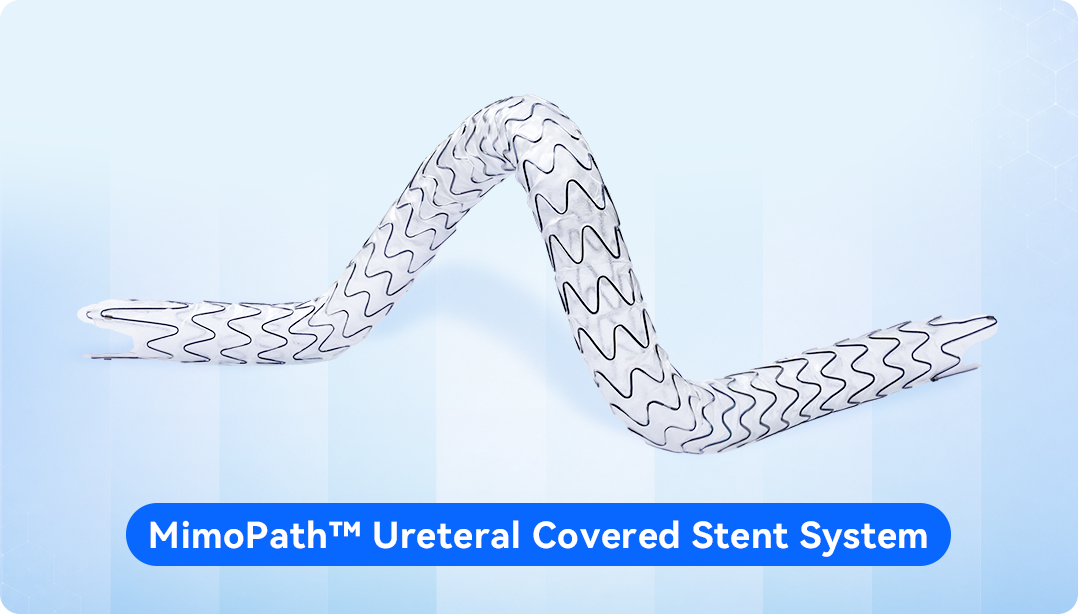
With the steady rise in renal transplant volume in China, postoperative urinary complications have become a key factor affecting long‑term graft survival. This has created a growing clinical need for safer and more effective minimally invasive interventions. Against this backdrop, the MimoPath™ Covered Ureteral Stent System, independently developed by Surgsci Medical Ltd., has been introduced in several top-tier hospitals and has accumulated substantial clinical experience in managing complex conditions such as ureteral obstruction, graft hydronephrosis, and ureteral fistulas. This article provides a systematic review of the epidemiology and pathophysiology of post‑transplant urinary complications, as well as the clinical value of the MimoPath™ stent in addressing these challenges.
Current Status and Pathophysiology of Urinary Complications
Post‑transplant urinary complications have become a major clinical challenge in renal transplantation. In China, the population of patients with end‑stage renal disease (ESRD) is enormous, exceeding 3.5 million cases[11], with approximately 400,000 new cases added each year[11]. With the continuous improvement of the organ transplantation system, the national volume of kidney transplants has been steadily rising, exceeding 16,000 cases in 2025[6], and the number of medical institutions qualified to perform transplants has reached 149[5], forming a mature and nationwide diagnostic and treatment network. With transplant volume continuing to grow nationwide, the demand for postoperative recovery and complication management has been steadily increasing.
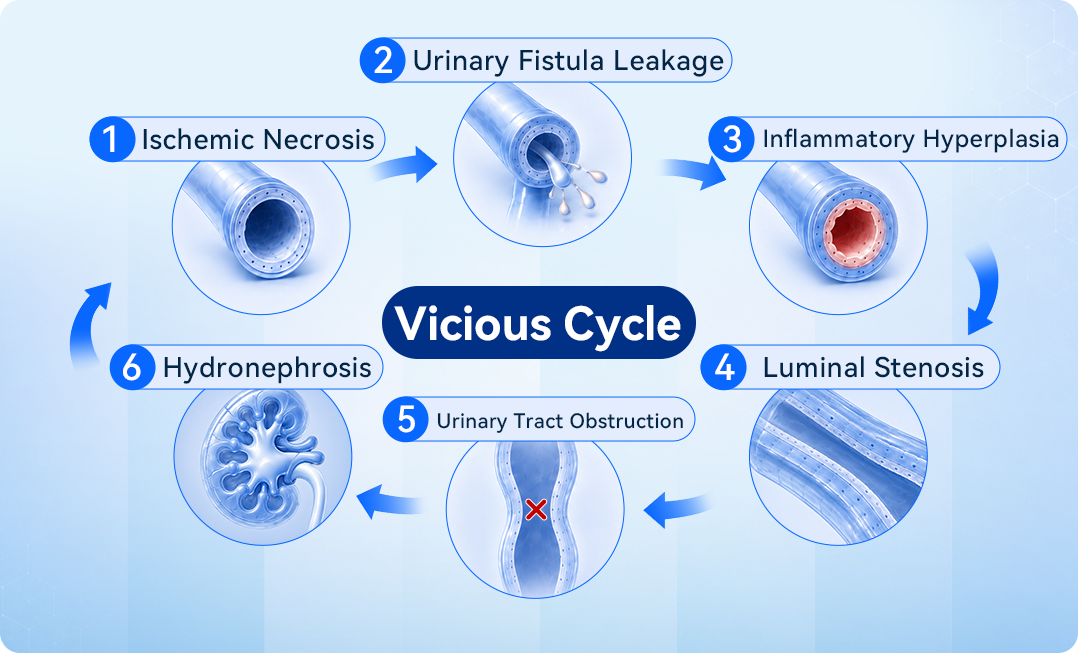
According to the Organ Transplantation 2019 surgical complication guidelines and multiple meta‑analyses, the incidence of obstructive hydronephrosis in transplanted kidneys ranges from 2.0% to 10.0%[1], with a median of 3.8%[3]; the incidence of ureteral urine leakage is between 1.5% and 6.0%[1]. Over 90%[2] of cases involving graft hydronephrosis, ureteral stricture, and urinary fistulas are attributed to ischemic necrosis of the distal donor ureter resulting from insufficient blood supply. This initiates a vicious cycle of “ischemic necrosis → urine leakage → inflammatory hyperplasia → luminal stricture → urinary obstruction → hydronephrosis,” which in severe cases may ultimately lead to graft loss.
Limitations of Conventional Treatments
Currently, the commonly used interventions include conservative drainage, standard double‑J stent placement, and open surgical repair—all of which have significant limitations.
Conservative drainage provides only short‑term decompression and does not promote healing of the ischemic necrotic area. Standard double‑J stents achieve a fistula healing rate of less than 60%[7], with stricture recurrence exceeding 40%[7]. They also require frequent replacement, which increases the risk of infection and the need for secondary surgery. Open and laparoscopic surgical repair are associated with major surgical trauma and high technical difficulty, and patients under immunosuppressive conditions have poor wound‑healing capacity, with a relatively high recurrence rate as well.
As a result, there has long been a lack of a dedicated stent product that can address complex lesions, offer both therapeutic and preventive value, and remain indwelling for extended periods. This is a key reason for the persistently high recurrence rate of complicated post‑transplant urinary complications.
Design and Structural Features of the Novel Covered Stent
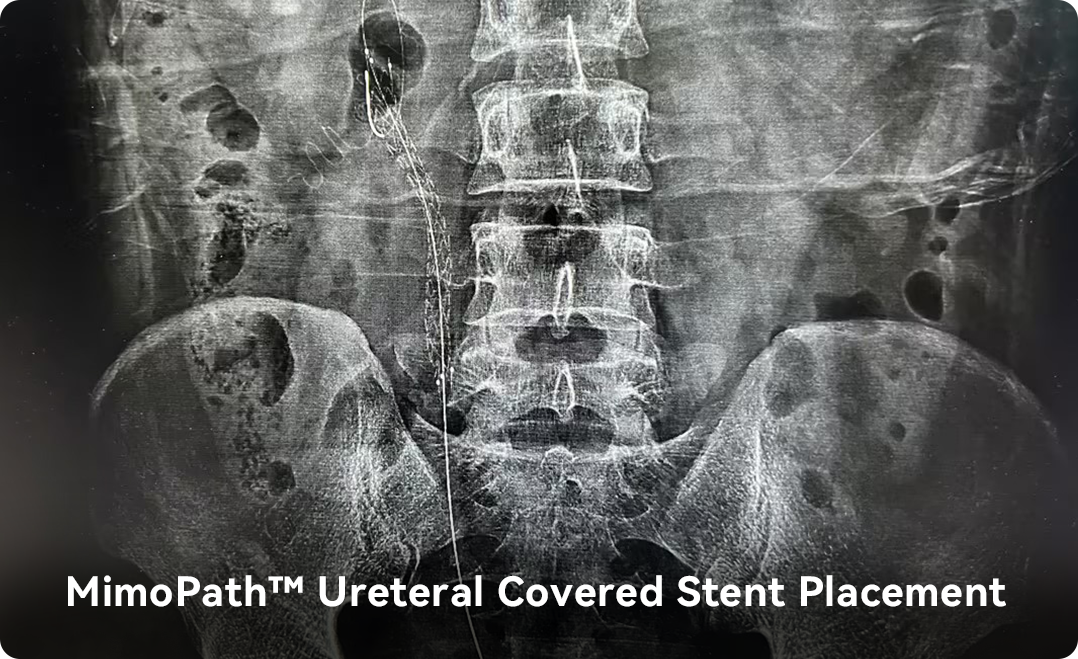
To address the clinical challenges described above, SurgSci has independently developed the MimoPath™ Covered Ureteral Stent System. Through optimized material selection and a wide size range, the system is precisely tailored for complex post‑transplant urinary complications and various types of ureteral obstructive lesions.
MimoPath™ is available in diameters of 8 Fr, 9 Fr, and 10 Fr, with lengths covering short, mid, long, and extra‑long segment strictures. This makes it particularly suitable for complex scenarios such as extensive ischemic injury to the transplanted kidney and long‑segment obstruction caused by tumor compression.
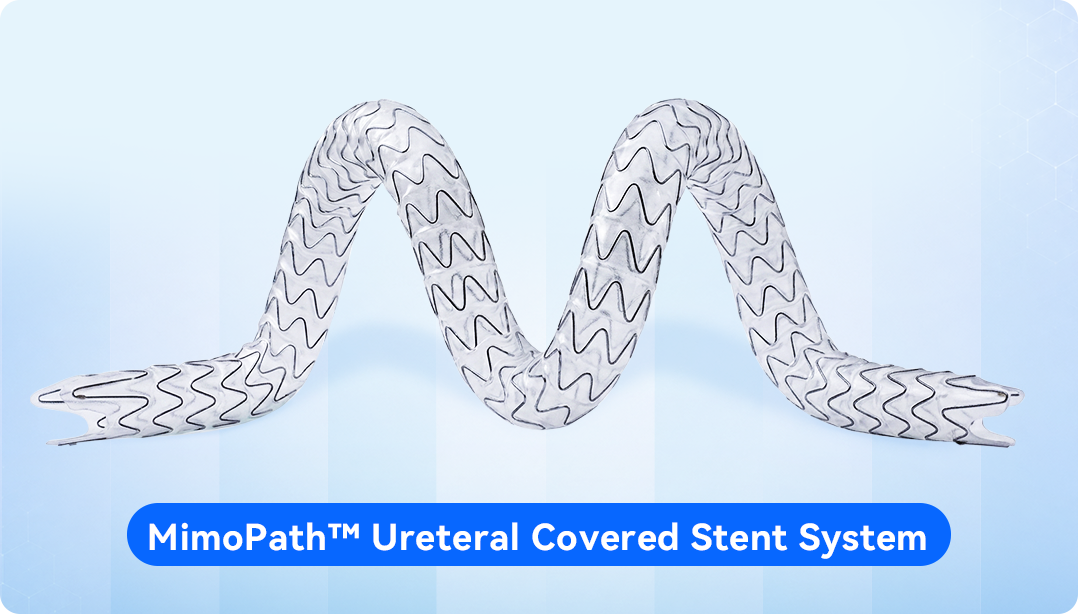
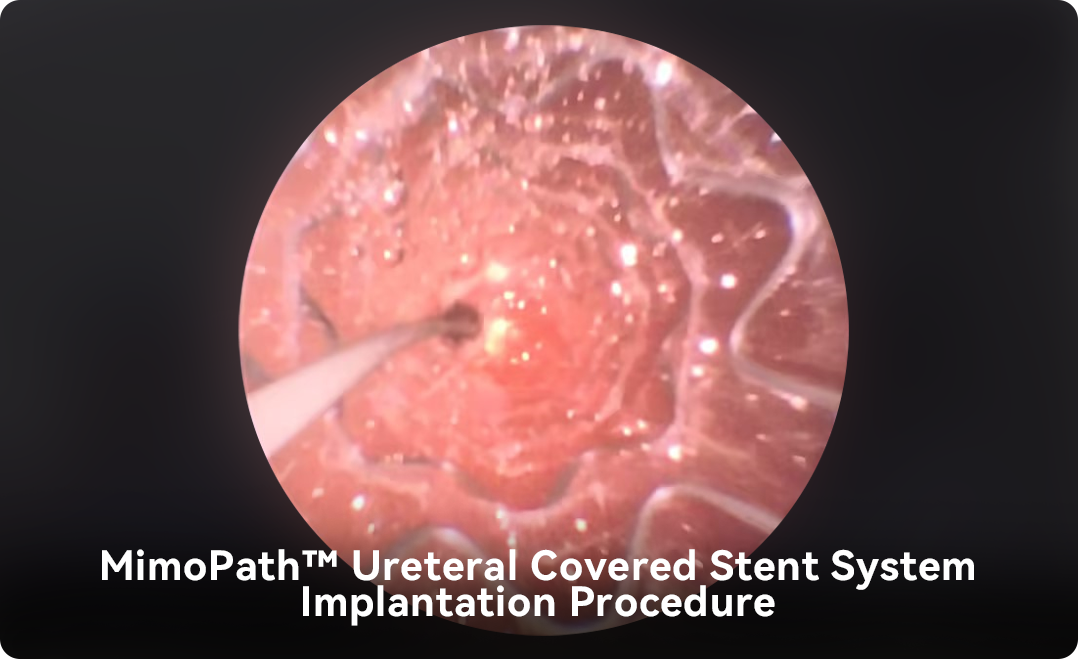
On the technology front, MimoPath™ features two proprietary innovations: the miCot™ coating, which physically isolates tissue ingrowth and reduces urinary crystal adhesion, lowering the risk of restenosis and tube occlusion; and the unLoad™ controlled release technology, which enables safer stent removal with less tissue damage. Once placed, the stent forms a physical barrier that reduces continuous urine irritation to the fistula and anastomotic site, creating a relatively stable local environment for ischemic tissue repair and promoting fistula healing. At the same time, the covered structure helps minimize mucosal hyperplasia and crystal deposition, which in turn helps break the vicious cycle of “urine leakage → stricture → hydronephrosis.”
Clinical Evidence and Value in the Peri‑Transplant Period
The therapeutic and preventive value of covered stents has been supported by multiple guidelines and evidence‑based studies. The Clinical Practice Guidelines for Urinary Complications After Kidney Transplantation, expert consensus from the Organ Transplantation Branch of the Chinese Medical Association, and several domestic and international multicenter controlled studies have all indicated that covered stents are a key minimally invasive tool for managing ischemic urinary fistulas, secondary strictures, and obstructive hydronephrosis. They offer both etiological treatment and long‑term preventive benefits, making them an important option in the stepwise management of complex transplant‑related urinary complications.
In contrast, simple drainage mainly serves to relieve pressure and decompress the urinary system. Covered stents add a physical barrier function on top of drainage, making them more suitable for treating ischemic fistulas and strictures. Relevant guidelines also suggest that, in high‑risk patients, prophylactic use of covered stents may be considered during the perioperative period on a case‑by‑case basis.
Peri‑Transplant Management Value
In peri‑transplant management, the MimoPath™ stent serves as a protective device for patients with end‑stage renal disease. It improves urinary tract patency before surgery, isolates the wound surface during the procedure, and helps prevent stricture recurrence after transplantation. This establishes an integrated management approach—covering pre‑transplant renal protection, intra‑operative support, and postoperative recurrence prevention—offering a more targeted minimally invasive option for kidney transplant patients.
▍References
1. Chinese Medical Association, Organ Transplantation Branch. Diagnostic and Treatment Guidelines for Surgical Complications after Kidney Transplantation (2019 Edition). Organ Transplantation. 2019;10(4):387–392.
2. Shi BY, Xue WJ. Etiology and Advances in the Prevention and Treatment of Urological Complications after Kidney Transplantation. Chinese Journal of Organ Transplantation. 2021;42(7):433–438.
3. Li P, Wang Y, Liu L. Meta-analysis of the Incidence of Urological Complications after Kidney Transplantation. Organ Transplantation. 2020;11(2):210–216.
4. Patel N, et al. Timing of Ureteric Stent Removal and Occurrence of Urological Complications after Kidney Transplantation: A Systematic Review and Meta-Analysis. Journal of Clinical Medicine. 2019;8(6):836.
5. National Health Commission of the People’s Republic of China. Strengthening Management and Promoting Innovation to Continuously Enhance Organ Transplantation Capacity. [EB/OL]. (2023-12-14) [2026-06-08].
6. China Organ Donation Administrative Center (CODAC). 2025 Annual Data Report.
7. Wang HL, Ma JJ, Yuan Q. Comparison of Clinical Outcomes of Different Interventions for Urological Complications after Kidney Transplantation. Organ Transplantation. 2021;12(3):321–326.
8. Chen YT, Zheng J, Fang LP, et al. Advances in Self-expanding Ureteral Metal Stents for the Treatment of Ureteral Stricture in Kidney Transplant Recipients. Chinese Journal of Endoscopic Urology. 2023;17(03):201–205.
9. Kumar V, et al. Ureteral Stent Application Reduces Ureteral Complications after Living Donor Kidney Transplantation. Transplant International. 2021;34(5):562–569.
10. Li M, Wang H. Advances in the Application of Ureteral Stents in Kidney Transplantation. Organ Transplantation. 2023;14(03):368–374.